

7 Questions to Ask Before Applying for Any Grant
You know that feeling when a grant pops up and everyone gets starry-eyed? The funder’s logo looks fancy, the pot of money looks even fancier, and suddenly the diary is blocked out for “grant writing”. Sound familiar?
This is your grant application checklist in question form, the stuff you should ask before you sink time, credibility, and staff hours into something that was never yours to win.
1) Are we actually eligible, or are we “kind of” eligible?
If your plan relies on “we can probably make it fit”, pause. Grants are picky, and lots of them reject on basic eligibility before anyone even reads the narrative.
Check the unglamorous bits first: organisation type, location, turnover, legal status, project stage, match funding rules, and whether they only fund certain sectors.
If the funder provides a checklist and timeline, use it as your baseline. Here’s a decent example of the kind of pre-flight checks funders expect: application checklist and timeline for grant funding.
A quick reality check I’ve learned the hard way: if eligibility feels fuzzy now, it’ll be lethal under scrutiny later.
2) What problem are they paying to solve, and does our project match it?
Funders fund outcomes they want to see in the world. Your job is to prove your project is one of the cleanest routes to those outcomes.
Read the guidance like it’s a contract, because it kind of is. Pull out the words they repeat (not the buzzwords, the practical ones): who benefits, what changes, how success is measured, and what “good” looks like.
A useful trick: write the funder’s goal in one plain sentence, then write your project’s goal in one plain sentence. If they don’t line up without gymnastics, you’ve got a fit problem.
And fit problems don’t get fixed with better writing. They get fixed by choosing a different grant.
3) Do we have evidence?
This is where a lot of applications fall over. The project sounds strong, the team is confident, the need is real, and the evidence is… a couple of quotes and a spreadsheet nobody understands.
Evidence is anything that proves you can do what you say you’ll do.
Strong evidence usually includes:
- Results from past work (specific numbers & outcomes)
- Proof of demand (referrals, waiting lists, partner letters that say something specific)
- Delivery capacity (staffing, governance, policies, licences, anything that screams “we’ve done this before”)
If you’re short on hard proof, can you get it quickly? If not, this grant might be a “next round” job.
4) What are the scoring criteria, and can we answer to them without waffling?
If you make funders hunt for the answer, you’ve lost marks you didn’t need to lose.
Before you write a single paragraph, find the assessment criteria and map each question to how it’ll be scored. Some funders publish this clearly, like this GOV.UK example of grant application instructions and assessment criteria.
A well-structured application is easy to mark with clear points, evidence and outcomes.
If you want a practical sense check, use an external checklist like UKRI’s grant application checklist to spot the common gaps people miss when they’re too close to the work.
5) Can we deliver this properly, or will this burn out the team?
Money with strings is still strings.
Grants often come with reporting, monitoring, evaluation, safeguarding, data protection, stakeholder engagement, procurement rules, and timelines that assume you have a spare project manager just hanging around with nothing to do.
So ask it straight: if you win, can you deliver without breaking the team or dropping core services?
A quick way to test capacity is to run a simple go or no-go check:
| Check area | Green looks like | Red looks like |
|---|---|---|
| People | Named lead, cover for leave, realistic time | “We’ll find someone” |
| Governance | Clear approvals and decision path | Everyone must agree on everything |
| Delivery plan | Milestones with owners and dates | “We’ll start soon” |
| Reporting | Data is trackable, tools exist | No baseline, no method |
6) Does the budget tell the truth, including the boring costs?
Before applying, build a budget that matches delivery reality, not wishful thinking. Include staff time properly (including on-costs), overheads if allowed, travel, training, software, evaluation, insurance, equipment maintenance, and inflation where it’s reasonable.
Also check what the funder won’t pay for. Some won’t fund core costs, some won’t fund capital, some won’t fund VAT, some won’t fund anything that looks like “business as usual”.
If your budget only works by hiding half the cost somewhere else, you’re not ready to apply. You’re ready to have an uncomfortable chat with finance.
7) Is this worth the effort, and what’s our “no” plan if we don’t win?
Grants can chew up weeks. Sometimes months. And a loss can leave you with nothing but a folder full of drafts and mild resentment.
Before you apply, decide:
- What winning changes for you (cashflow, growth, service reach, credibility)
- What it costs to bid (staff time, partner time, opportunity cost)
- What you’ll do if you don’t win (re-use content, re-scope, go again, walk away)
This is also where risk-sharing support can make sense. Some teams want a second set of eyes at the end, someone who reads like an evaluator and points out where the evidence is thin, where the answer drifts, and where you’re about to lose easy marks. The key is keeping control of your content while getting practical feedback against the scoring.
Conclusion: Ask the seven questions, then write like you mean it
A strong grant application isn’t just good writing. It’s good judgement, good evidence, and a plan that survives contact with reality.
Use this grant application checklist to make a clean decision early, then put your effort where it counts. If the fit is right, you’ll write faster, answer cleaner, and submit with fewer nasty surprises. If the fit is wrong, you’ll save weeks and keep your team’s energy for the opportunities you can actually win.
The only real mistake is throwing time at a grant that was never yours in the first place.
Meet the Author
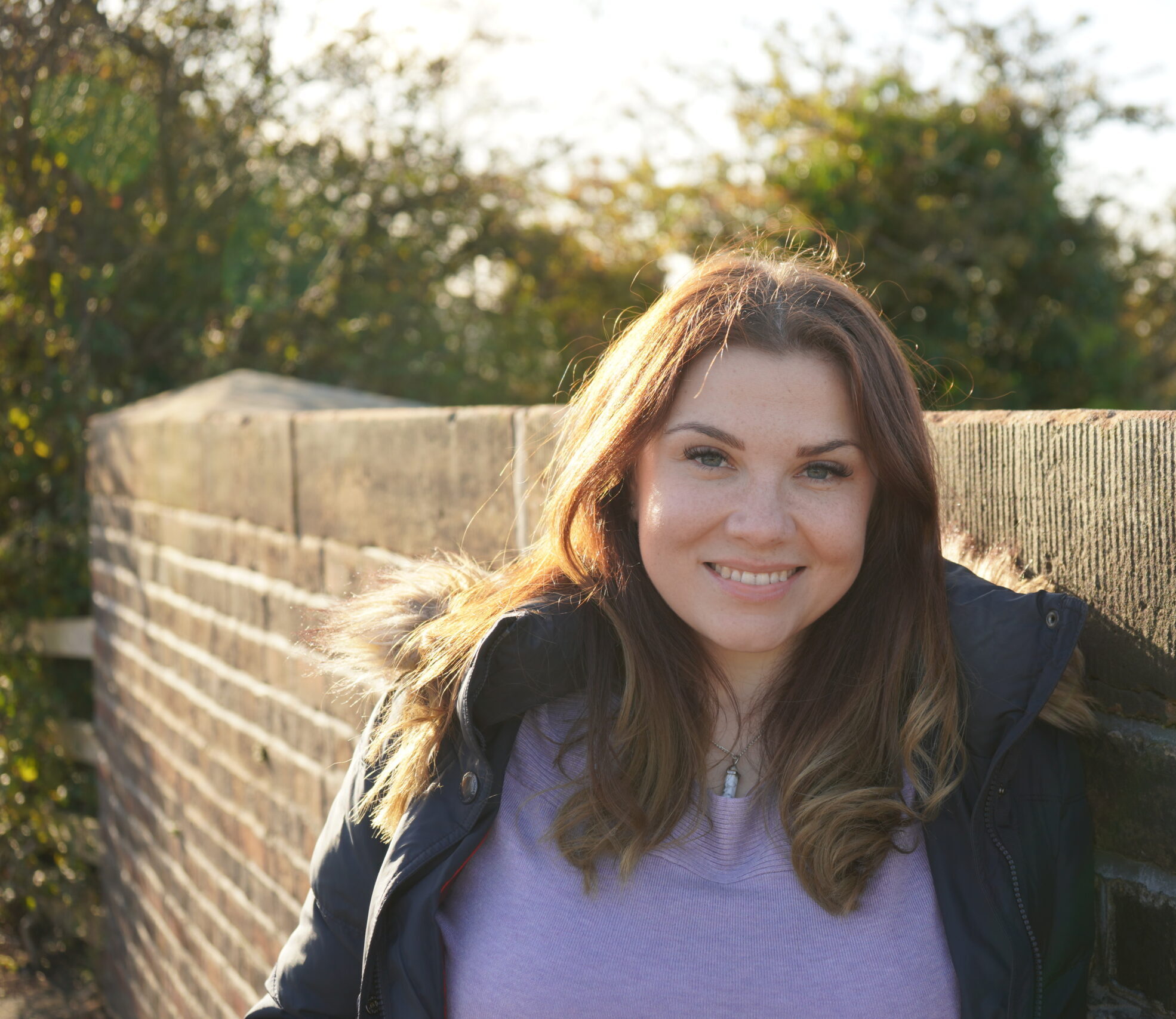
Melissa is the founder of Bidsmithery™ with over 15 years of experience across bid writing, bid management and evaluation. Having sat on both sides of the process as both writer and evaluator, she works across sectors because great bids follow the same principles wherever you’re tendering. With more than £103M in contracts secured, she specialises in framework bids and strategic bid reviews helping organisations sharpen their approach when it really counts.



2 Comments