

What Is a Red Team in Bidding? A Straight Answer for Curious Tender Teams
What Is a Red Team?
A red team is an independent review of your near-final bid, tender or grant response. The reviewer reads it like an evaluator, not like the author. Their job is to find gaps, weak claims, muddled structure and anything else that could cost marks.
In bid work, a red team is not just a grammar tidy-up. It tests whether your answer is clear, complete, believable and easy to score. Below, you’ll see how a red team works, why it matters, what to check before submission, and what it should catch.
Why This Matters When the Draft Looks “Mostly Fine”
Your team might deliver brilliantly.
That doesn’t mean the bid says so clearly.
Most losses don’t happen because the service is poor. They happen because the answer is hard to mark, light on proof, or too close to generic. Evaluators score what they can find, under time pressure. If your best points are buried, you’ve made their job harder and your own win rate lower.
That’s why a red team matters. It gives you a fresh pair of eyes before you press submit, while there’s still time to fix the bits quietly losing you marks. It also brings a bit of calm. Instead of late-night guesswork, you get a clearer view of what lands, what doesn’t, and what still needs backing up.
For many SMEs, that matters even more. You don’t want all bid knowledge sitting outside the business. You want support that sharpens your team over time. That’s the thinking behind Bidsmithery’s red team approach to bids, where your team keeps control and the review adds evaluator insight.
How a Red Team Review Works in Bids
A good red team review starts with a proper draft, the scoring criteria, and enough time to act on feedback.
The reviewer then reads the bid as the buyer would. They check whether each question is answered in full, whether your evidence is doing real work, and whether the method feels solid rather than vague. They also look for mixed messages across sections, missing risk controls, and claims that sound good but don’t prove much.

A red team review is not the same as proofreading.
Proofreading fixes language. A compliance check confirms the right files are there. A red team asks the harder question, “Would this score well, and can the evaluator see why quickly?”
A red team makes your bid easier to score, not just nicer to read.
That’s also why many companies prefer review support over handing the whole bid to an outsider. Your team knows the service, the delivery model and the proof. The reviewer brings distance, honesty and scoring logic. If that’s the gap you’re trying to close, common mistakes killing your tender wins are often the same ones a red team picks up.
Key Questions to Ask Before You Submit
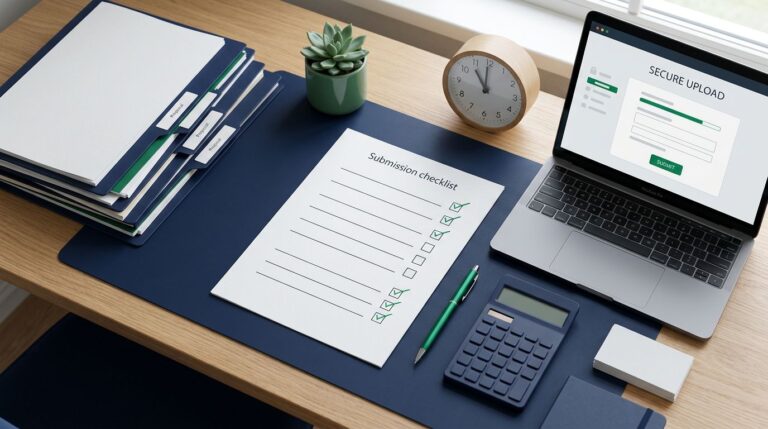
Use this quick check before your final sign-off.
→ Have we answered every part of the question, in the order asked?
→ Can an evaluator find the evidence fast, without hunting for it?
→ Do our main claims include proof, such as figures, dates, outcomes or examples?
→ Does the method sound real, with clear roles, timings and actions?
→ Have we shown how we reduce buyer risk, not just described our service?
→ Do pricing, staffing and delivery all tell the same story?
If even one of those feels shaky, a red team review is worth it. Small fixes at this stage can save painful losses later.
Common Mistakes a Red Team Should Catch
The first is answering the question you wish they’d asked. It happens all the time, especially when teams reuse old content under pressure.
The second is implied evidence. “We provide a high-quality service” is not evidence. It’s a claim. A red team will ask, “Based on what, and where’s the proof?”
Then there’s structure. Walls of text, weak headings and buried benefits all make scoring harder. So do contradictions. If one section promises a dedicated lead and another hints at shared cover, buyers notice.
Late review is another problem. If the first serious challenge happens an hour before submission, you’ll only fix surface issues. The best red team input comes when the draft is strong enough to review and early enough to improve.
A red team won’t rescue thin substance. It will, however, stop good work hiding in plain sight.
FAQs About Red Team Reviews
When should a red team review happen?
Aim for when the draft is around 80 to 90% complete. That gives the reviewer enough substance to assess, and gives your team time to act. The night before submission is still better than nothing, but your options get smaller.
Who should be on a red team?
Use people who were not buried in the drafting. They need sound judgement, commercial sense and the confidence to be blunt. Internal leaders can help, but an external reviewer often spots blind spots faster because they’re not attached to the wording.
Do I need someone else to write the bid?
Not always. In many cases, your team should write it because they know the delivery best. What they often need is experienced challenge and a scoring-led review. That’s where Bidsmithery™ fits, with expert bid support and training that strengthens drafts while building in-house capability.
Final Thought
If you’ve ever submitted a bid and then spent days replaying the weak spots in your head, that’s exactly where a red team earns its keep. The goal isn’t prettier wording. It’s a clearer, stronger submission that gives evaluators confidence to award marks. If you want that kind of review, or support through Bid Win Rate Accelerator Training or a bid review retainer, book a fit check call and see what suits your pipeline.

Meet the Author
Melissa is the founder of Bidsmithery™ with over 15 years of experience across bid writing, bid management and evaluation. Having sat on both sides of the process as both writer and evaluator, she works across sectors because great bids follow the same principles wherever you’re tendering. With more than £103M in contracts secured, she specialises in framework bids and strategic bid reviews helping organisations sharpen their approach when it really counts.
What It’s Like to Work With Bidsmithery™
From bid reviews and consultancy to training, workshops and funding support, here’s what clients say about working with us.
‘We brought Melissa in at short notice to help tighten up a cross-agency bid. She instantly spotted what needed improving and helped us retain the contract.’

‘Melissa didn’t just help me submit a bid, she helped me understand why things needed to be presented a certain way and how to position my offer for maximum impact. Every edit taught me something new.’

‘Melissa brought a sense of calm and reassurance that is so rare in the world of funding and bids. She has taken what can often feel like a stressful, high-pressure process and turned it into something that feels collaborative, empowering and even enjoyable.’





2 Comments